1
Describe Your Idea
Write a clear prompt and add a supported reference image if your chosen workflow allows it.
One Generator, Video or Image
Freepik turns a text prompt, a reference image, or a first-and-last frame pair into video or image, then cleans up the result with background removal, watermark clearing, and upscaling in the same tab.
Explore curated video references and their preview images. Compare action, product close-ups, scene edits, and portrait or widescreen framing before writing your own prompt.
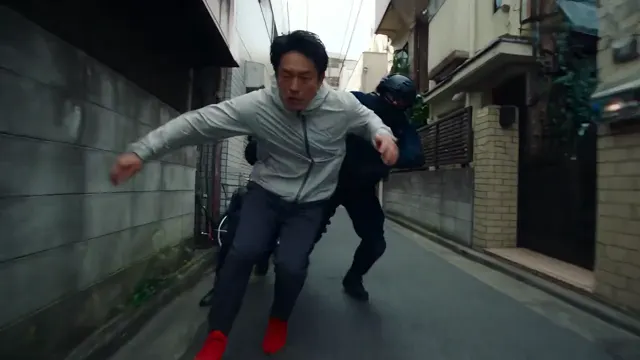
A runner moves through a narrow city alley. Use this action reference to compare subject visibility, motion continuity, and framing in a fast-paced video scene.
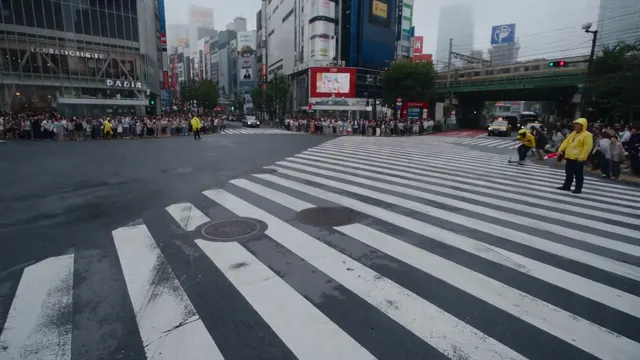
A busy intersection brings pedestrians and surrounding buildings into one wide frame. Compare the foreground activity and background detail when planning an establishing shot.
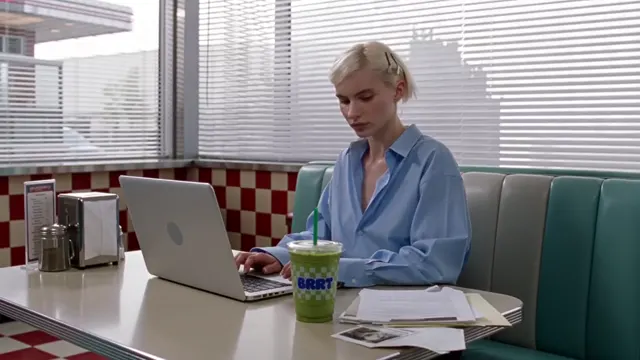
A woman at a laptop is framed against a diner-style setting. This reference highlights the subject outline, desk edges, and backdrop when reviewing a scene edit.
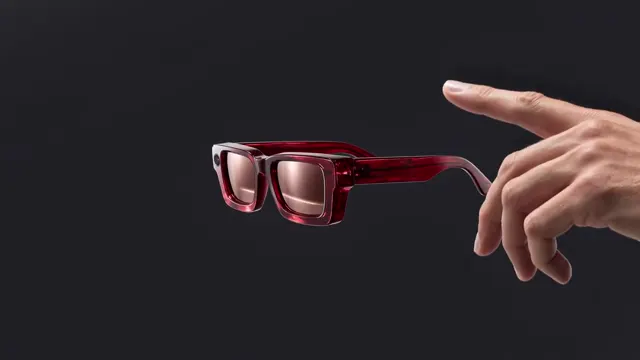
Red-framed glasses and a hand stand out against a dark background. Compare product shape, reflections, and visual separation when planning a close-up advertising shot.
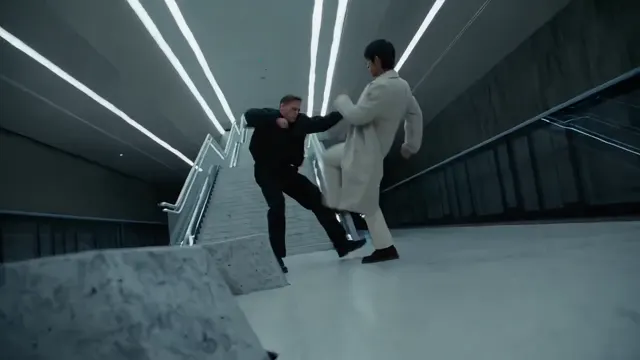
Two performers share a concrete stairway in an action scene. Look at how the framing separates their movement from the steps and surrounding architectural lines.
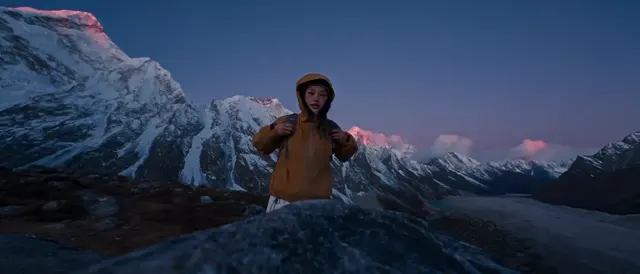
A traveler in an orange jacket appears against snowy peaks. Compare this wide composition with the portrait mountain reference to see how framing changes the scene.
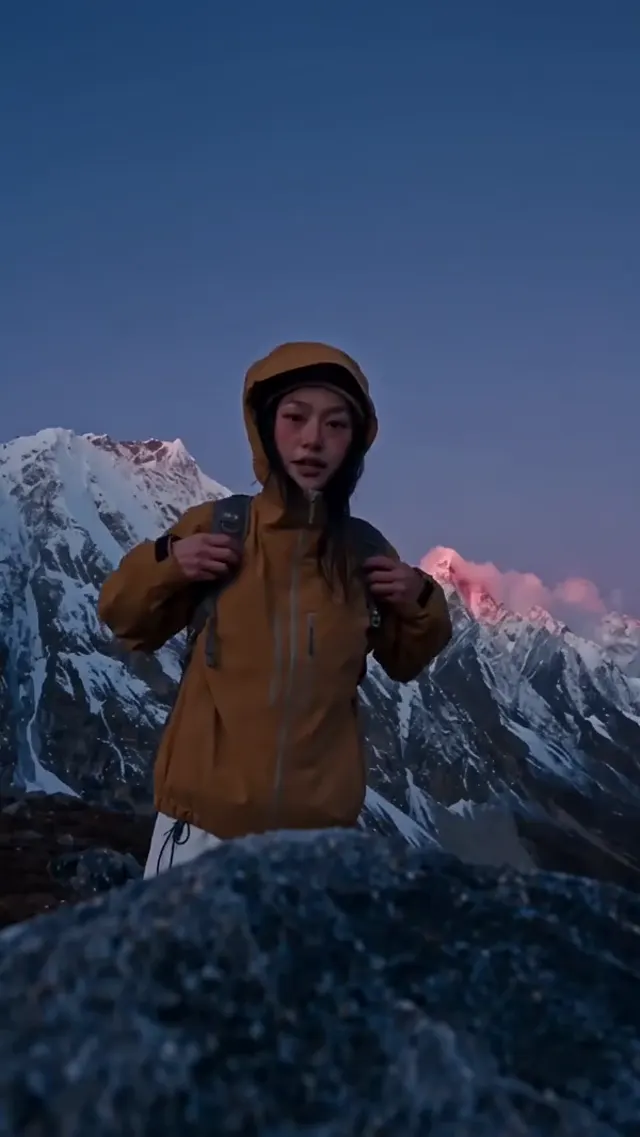
A vertical mountain view keeps the traveler within a tall composition. Compare the subject placement and surrounding scenery with the widescreen reference before choosing an aspect ratio.
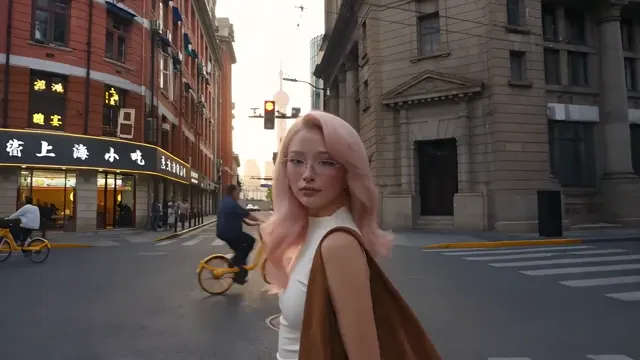
A pink-haired woman is framed on a Shanghai street in warm light. Use the portrait to consider color, subject separation, and the amount of background detail.
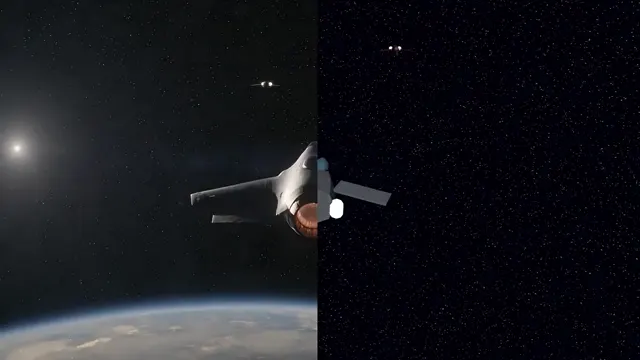
A fighter jet appears above Earth against a dark, star-filled sky. Compare scale, silhouette, and lighting when describing a science-fiction scene in a visual prompt.
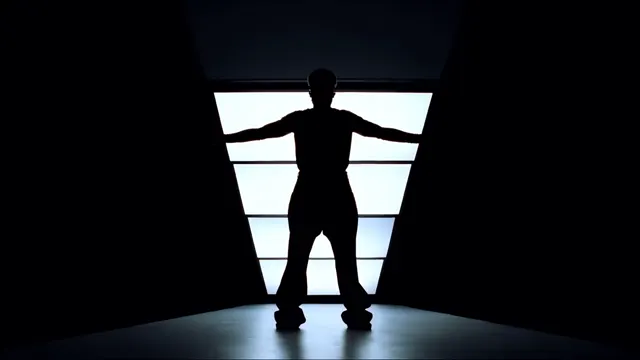
A dancer is silhouetted inside a glowing geometric doorway. Look at the contrast between the figure and illuminated frame when planning a stylized performance scene.
Not everyone opens Freepik for the same reason. Some type freepik, some type freepick, but the four moments below cover most of what happens next at freepik.studio.
Red-framed glasses and a hand stand out against a dark background. Compare product shape, reflections, and visual separation when planning a close-up advertising shot.
A launch date doesn't move just because the footage isn't ready. Marketing and ad teams open Freepik (bookmarked by some as freepick) to turn a brief into several video variants at once, then narrow to the two or three that actually fit the platform and the audience before anything ships.
A runner moves through a narrow city alley. Use this action reference to compare subject visibility, motion continuity, and framing in a fast-paced video scene.
A property, a car, or a resale item sits longer when the listing video looks dated or was shot in bad light. Instead of rebooking a walkthrough, sellers run the clip through Freepik (or freepick, as it's often typed) on freepik.studio to brighten it, swap a distracting background, and get it back online the same day.
A woman at a laptop is framed against a diner-style setting. This reference highlights the subject outline, desk edges, and backdrop when reviewing a scene edit.
A podcast episode, a stream, or a lecture holds a handful of moments worth clipping out, but each one still needs a cleaner frame before it's worth posting. Freepik, also found under the freepick spelling, pulls the segment through cleanup and can regenerate a rough section entirely rather than leaving it out.
A fighter jet appears above Earth against a dark, star-filled sky. Compare scale, silhouette, and lighting when describing a science-fiction scene in a visual prompt.
Not every idea deserves a full shoot before anyone's seen it. Freepik (or freepick, spelled either way) lets a team generate a rough version of a scene from a prompt or a reference image, so a concept gets reviewed and argued about before a crew or a budget is booked.
Freepik combines prompt-to-video generation with the cleanup tools most clips still need, so one freepik.studio tab covers the job.
Describe the subject, action, and setting, and Freepik returns a rendered video instead of a stock template you force to fit.
Freepik shows the estimated cost and a quick preview before the full render starts, so a vague prompt gets caught early.
New accounts get enough starter credits to generate a handful of real clips, not a locked demo, before deciding whether to upgrade.
Freepik keeps generation, background removal, watermark clearing, and upscaling in one workspace, so nothing gets exported to a second tool halfway through.
Every tool traces back to a fix creators actually asked for — a shaky background, a leftover watermark, a soft frame — not a generic feature list.
Freepik renders at the resolution the destination platform expects, so the download is close to ready, not a rough draft.
Create with Freepik in three steps: describe your idea, choose the available settings, and review the result.
Write a clear prompt and add a supported reference image if your chosen workflow allows it.
Select the available duration, aspect ratio, and resolution. Check the displayed credit cost before starting a paid task.
Wait for the task to finish, inspect the full result, and use the available download control. Refine your prompt if another version is needed.
Explore Freepik plans at freepik.studio. Compare credit allowances and check the displayed generation cost before starting a task.
For solo creators enhancing short videos
$117.60 billed annually
9,600 Credits
Get StartedPopular
For teams improving frequent video assets
$239.40 billed annually
57,600 Credits
Get StartedFor studios and high-volume enhancement workflows
$1,199.40 billed annually
360,000 Credits
Get Started


Questions about your plan? Reach us atsupport@freepik.studio
Grouped by what people actually ask first: getting started, cost, output quality, and how Freepik stacks up — freepick included.
Freepik (searched by some as freepick) is an AI generator at freepik.studio: type a prompt or drop in a reference image and get back a video or image, and run existing footage through the same tab for background removal, watermark clearing, or an upscale.
Yes. You need to sign in to your account before generating a video or image with Freepik.
Yes. Name the subject, the action, and the setting in plain sentences, then adjust one detail at a time if the first Freepik render isn't close. No special syntax is required.
Freepik runs on credits. The exact cost for a given length, resolution, and style shows before you generate — no surprise charge after the fact.
New accounts start with enough credits to generate and clean up several real results, not a locked sample, so the free run is a fair test of what Freepik can actually do.
That depends on the plan shown at export time — check the comparison on screen before downloading, since free and paid tiers on Freepik can differ.
Within one session, reusing the same prompt structure and reference image on Freepik keeps a batch reading as one continuous style instead of a new look each time.
Yes — Freepik reads each frame on its own, so a subject stays separated from the background through quick motion, not just a still frame.
A crop can cut off a hand or motion at the frame edge. Freepik changes what's behind the subject while the original framing stays put — recheck the edge whenever the lighting shifts mid-clip.
Export options scale with your plan on freepik.studio — the resolution and format on offer are shown in the generator before you commit to a download.
A single-model tool locks you into one look, and hand-editing eats hours on routine fixes. Freepik covers generation and cleanup in one tab, so nothing gets exported between three separate apps to finish one clip.
Stock footage is fast but generic, and a videographer means days and a line-item budget. Freepik sits between the two: a clip specific to the brief, ready in minutes instead of days.
Stay in Freepik for a fast in-browser fix. Move to a desktop editor once the project needs keyframes, color grading, or layered compositing.
Both. A solo creator gets the full toolkit without hiring an editor, and a small team gets one shared, browser-based step that doesn't require everyone to install the same software.
No — freepick is just the common misspelling of Freepik. Search freepik, search freepick, or type freepik.studio directly, and all three lead to the same generator and the same cleanup tools.
Yes. If freepick is the word that got you here, you're in the right place: freepick and Freepik point to the same tool at freepik.studio, with identical results either way.
Freepik is the correct spelling; freepick is simply the version that sticks in people's memory or gets typed on a phone keyboard. Both freepik and freepick are treated the same way once you land on freepik.studio.
Write a prompt, let Freepik generate the video, and download it in the same tab — free to start, nothing to install.